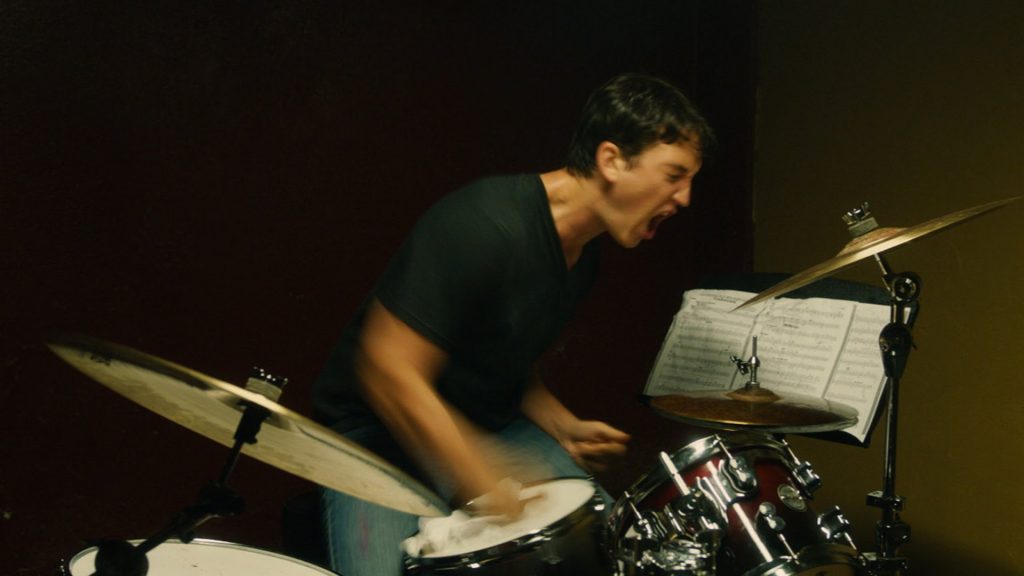
Whiplash is a neck injury due to forceful, rapid back-and-forth movement of the neck, like the cracking of a whip. Usually caused by rear-end car crashes.
Whiplash:
Directed by: Damien Chazelle
Released in 2014
An Oscar, Golden Globe and academy winning film.
My third ever film in Hollywood, what a beauty. The sound, cinematography, psychological depth and execution truly deserves the million awards it got. Whiplash is a psychological drama/ indie film.
At the beginning of this film, before any dialogue. The first thing the audience hears is andrew drumming. The sound drives the scene, the beat of the drums starts off slow and progressively gets louder and more chaotic . the tight acoustics of the room give a dry and echo less tone that fits an empty conservatory space. The sound indicates rhythm and narrative; beginning clean and abrupt, slowly reaching climax and set tempo and before an end is reached we see and abrupt opening.
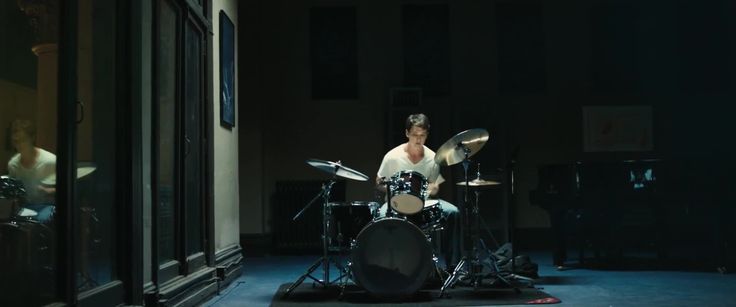
Figure 1:
Andrew practising in the studio.
Here, Chazelle smartly plays and switches between the five senses. From hearing the powerful thuds of the drums resonating on the blank screen to then seeing a slow push-in shot down a dimly lit corridor, leading the viewer towards Andrew Nieman playing drums alone in what seems to be a world of his own. The drums previously heard were not meant for performance; rather, the raw and acoustic sound made it abundantly clear that he was practicing in complete isolation while honing his craft. As the camera focuses on him, the lighting is deliberately low-key and high contrast, creating a narrow pool of visibility around Andrew, hinting at both his talent and the solitude that accompanies it. Most of the frame is swallowed by darkness, which not only serves to set a serious tone but also symbolizes the emotional struggles he faces in his pursuit of excellence. The contrast between sound and vision immerses the audience deeper into his psyche, allowing them to feel the weight of ambition and the relentless drive that pushes Andrew to the limits of his abilities.
A single overhead or directional practical light focuses directly on andrew and his drumset. The background remains dark making him appear alone, vulnerable and intensely concentrated. We hear Andrew take and deep breath and hear the sound of his drum kit. The shot here is static with zero camera movement. This creates a formal visual tone. It suggests objectivity, observation and careful composition. We then hear mostly digetic sounds of Andrew practicing on the drum. Here, the camera pans and zoomz into Andrews space adding all the focus back on the raw practice. The sound slowly becomes more intense and immersive, captivating the audience and amking them a part of the experience. The audience feels the depth of ther scene and does not remain out of the scene, rather the frame takes them in. we see andrew consumed by the rhythm of the drums. He nods his head to the beats as we slowly see the change in the colour temperature. The lighting has a cool, slightly greenish blue tint making the environment feel rigid, harsh and impersonal.
Andrew breaks the rhythm and immediately gets up apologising this acts as an enigma code and has us completely broken from the silence, intensity and rhythm of the scene. We are then introduced to a silhouette in the frame. The interruption is sharp and intentional. It establishes fletchers control, he enters without warning, observes and judges. His all black clothing signals control and intimidation. He is placed in the center of the frame, indicating spatial dominance. The cuts slow down slightly as he enters. Soft sounds like footsteps or turning pages emplify the scene. Lack of background noise make his dialogues sharper. Camera language positions Fletcher as an overwhelming force. Even without movement, he controls the scene. Subtle low angle shots make his character look more authoritative. As he steps forward light is drectional or overhead highlighting his presence in the dark room. The light is warm toned compared to other lights. Once he is in control, the editor holds longer shots on him. We also see cuts of Andrews reaction to fletcher. Eye widening, posture changing and struggling to respond.
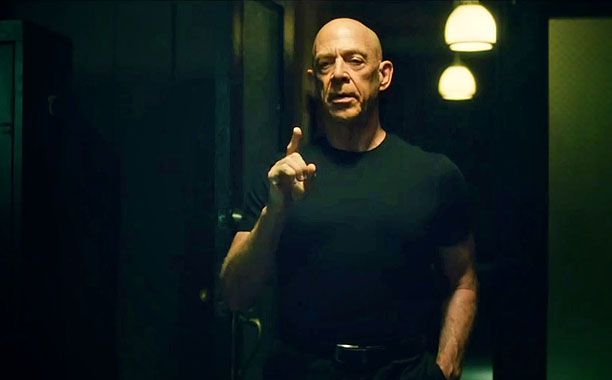
Figure 2: Fletcher in conversation with Andrew.
Heres the link to the scene opening:
Slightly high angled shots are used when Andrew is present in the frame, making him appear fearful, nervous, and intimidated by Fletcher’s imposing presence. This cinematographic choice effectively highlights Andrew’s vulnerability in such a high-pressure environment. Fletcher asks him a series of probing questions, indicating that it is his first meeting with Andrew, which adds to the sense of unease and anticipation. The editing technique employed reduces dead time by swiftly cutting through shots of Andrew straightening up, instruments being raised, and the oppressive silence that envelops the space, creating a rapid pacing that compresses time and builds palpable tension. We see static shots interspersed between both frames as Andrew continues to play, showcasing the contrast between his growing anxiety and the demands of the moment. What I observed here was an excessive use of zoom-ins and static shots that serve to retain and amplify the characters’ emotional states and movements, drawing the audience deeper into the psychological struggle unfolding on screen. The lighting was kept neutral, serving to eliminate distractions and keep all focus on sound and action, allowing viewers to fully engage with the intensity and stakes of the scene. This deliberate choice underscores the overall atmosphere of discomfort and fosters a deeper connection to Andrew’s internal battle as he navigates through this challenging encounter.
That was the last note.
Cut. scene over.
 Despair For Dummies
Leave a comment